
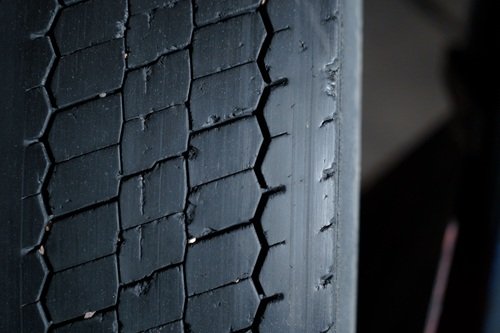
Most drivers know worn tyres aren’t ideal. What most don’t realise is just how much they’re actually costing — not just in safety risk, but in real dollars. Fuel economy drops. Suspension and wheel components wear faster. And if you get pulled over with tyres below the legal limit, the fine and demerit points arrive whether you knew about it or not.
The uncomfortable truth about worn-out tyres is that they rarely announce themselves. They degrade gradually. The car handles a little less crisply. Wet weather stopping distances stretch a little longer. The fuel gauge drops a little faster. None of it feels dramatic — until something goes wrong.
Worn tyres cost more than replacement tyres. They increase fuel consumption, accelerate wear on other components, and can result in substantial fines if they fall below the legal tread depth limit. The smart move is to check them regularly and replace them before they become a safety and financial problem.
The True Penalties of Neglecting Your Tread
Here’s the thing about tyre costs: most drivers only think about them at replacement time. That’s the most visible expense. But the hidden costs of driving on worn tyre tread are accumulating long before a tyre needs replacing — and they add up faster than most people expect.
Read More: Explore Certified Pre-Owned Cars at Used Car Dealership Orlando
Worn tyres increase rolling resistance. That means the engine works harder to maintain speed, which means the car burns more fuel. The braking performance drops off, which means longer stopping
distances — especially on wet roads. The contact patch degrades, which means less grip in corners and on high-speed freeway sections where a blowout at the wrong moment has severe consequences.
And then there’s the fine. In New South Wales, driving on tyres below the legal minimum is an infringement that carries both financial and demerit point penalties. It’s not something that only gets checked after an accident — it can be identified during a roadside inspection at any time.
None of this means you need to replace your tyres the moment they start showing wear. It means you need to check them, know what you’re looking at, and act before the wear becomes a liability.
Simple Inspections You Can Do at Home
Learning how to check tyre condition and tread depth yourself doesn’t require specialized tools or years of mechanical expertise. It simply requires two minutes and knowing what to look for:
- The Coin Test: Press a 20-cent coin into the tread groove. If the outer band of the coin—the platypus bill—is partially covered by the tread, you’re above the legal limit. If the entire bill is visible, your tread is critically low and the tyres need immediate attention.
- Visual Condition Checks: Run your eye across the tyre surface. Look for uneven wear—if the outside or inside edge is wearing faster than the centre, the wheels likely need alignment. Bald patches, cracks in the sidewall, bulges, or visible cording (the fabric layer beneath the rubber) are all serious warning signs that go beyond tread depth.
- Inflation Inspections: Under-inflated tyres wear faster on the outer edges. Over-inflated tyres wear faster in the centre. Either way, incorrect pressure accelerates wear and reduces fuel efficiency. Check against the placard inside the driver’s door jamb—not the maximum pressure printed on the tyre itself.
Spotting Built-In Safety Limits
Many drivers don’t realise that vehicle tyre tread depth wear indicators are built right into the rubber. Most modern tyres feature these small raised bars running across the base of the tread grooves. When the tread surface wears down to be completely level with these bars, the tyre has officially reached the legal minimum. If you can see them clearly flush with the tread, replacement is already long overdue.
Read More: The Truth About Audi Engine Replacement: What Works, What Doesn’t in 2025
Making it a habit to check tyre condition every month—or whenever you fill up—means worn-out tyres get caught before they become a safety or financial issue.
Australian Traffic Laws & Safety Realities
Understanding what the legal tread limit is—and what the fine for unsafe tyres in Australia is- can save you from a major financial headache. The national legal limit for tread on tyres across the full width of a tyre is 1.5mm. Below that figure, the tyre is legally unroadworthy.
The unsafe tyres fine in Australia varies by state, but it is costly in every jurisdiction. In NSW, a defective tyre notice can carry a fine of several hundred dollars per tyre, plus demerit points that count toward licence suspension. If you are pulled over with multiple bald tyres, those fines multiply. More significantly, driving on unroadworthy tyres can void your insurance coverage if you’re involved in an accident.
However, the legal limit is not a target. At 1.5mm, stopping performance on a wet road is already significantly degraded compared to a new tyre. Tyre manufacturers generally recommend replacement at 3mm because real-world braking distances increase sharply below that threshold. The legal limit tells you when you’re breaking the law; it doesn’t tell you when you’re safe.
The Efficiency Drain of Worn Rubber
When looking at worn tyres and fuel costs, the connection most drivers miss is rooted in rolling resistance. As tread wears down, the tyre’s ability to maintain its designed shape under load diminishes. The contact patch deforms, rolling resistance increases, and the engine has to produce more power to move the car at the same speed.
The fuel cost impact of worn tyre tread isn’t huge per tank — but it compounds over time. Studies on rolling resistance suggest that significantly worn tyres can increase fuel consumption by several percent compared to correctly inflated, well-maintained tyres. For a vehicle covering average annual mileage, that’s a measurable cost per year that doesn’t appear on any tyre invoice but shows up quietly at the petrol pump.
Poorly inflated tyres compound the problem further. A tyre running 20% below its recommended pressure can increase fuel consumption by 1–2%. A professional car engine diagnostic service can identify if fuel consumption issues are mechanical in origin—but if the engine checks out fine, tyres, alignment, and tyre pressure are usually where the answer sits.
Preventing Expensive Suspension Failures
There is a costly chain reaction that occurs when rubber degrades, showing how worn tyre tread leads to wheel damage and bigger repair bills down the line. It starts with the rubber and ends with your steering geometry.
Misaligned wheels don’t just wear tyres unevenly — they do it quickly. If the alignment isn’t corrected when a tyre is replaced, the new tyre wears at the same accelerated rate.
Heavily worn tyres also transfer more vibration and impact force to the wheel and suspension components. Over time, this accelerates wear on ball joints, tie rod ends, and shock absorbers—components that are significantly more expensive to replace than a tyre.
The ultimate wheel damage repair cost is often a nasty surprise. A buckled rim from a pothole or a cracked alloy that wasn’t protected by adequate tyre cushioning arrives without warning. Maintaining tyres properly is, in part, maintaining the expensive components around them.
The Mechanics of Longevity
Replacing a worn tyre without addressing alignment is like painting over rust. The surface looks better. The underlying problem keeps going.
Tyre balance and wheel alignment are the two services most directly connected to how long your tyres last and how much they cost you to run. Alignment ensures all four wheels are pointing in the right direction relative to each other and to the road. Balancing ensures the wheel and tyre assembly rotates without vibration. Both affect tyre wear, fuel consumption, and handling — and both are checked and corrected in a single workshop visit.
The signs that alignment or balancing is needed include: the car pulling to one side on a straight road, uneven tread wear across a tyre, vibration through the steering wheel at highway speed, and the steering wheel sitting off-centre when driving straight. Any of these should prompt a check before the next tyre set is purchased.
Professional Tyre Care in Taren Point
If you’ve noticed uneven wear, pulling to one side, or steering vibrations, it is vital to seek out professional wheel alignment services in Sutherland Shire. Booking a tyre safety check early extends tyre life, reduces fuel costs, and protects the suspension components underneath.
At Southern Cross Auto Repairs, our comprehensive checks cover alignment, balancing, and complete tyre diagnostics. If you’re concerned about worn tread or unsure whether your vehicle is still roadworthy, contact a local car mechanic in Taren Point to book a safety check before wet weather creates a dangerous driving risk.
Frequently Asked Questions
- What is the legal tread depth for tyres in Australia? The minimum legal tread depth across the full width of the tyre is 1.5mm. Below this, the tyre is unroadworthy. Most safety experts recommend replacing tyres at 3mm because braking performance on wet roads degrades significantly as tread approaches the legal minimum.
- How much is the fine for driving on unsafe tyres in NSW? In NSW, an unroadworthy tyre defect notice carries a fine of several hundred dollars per tyre plus demerit points. Multiple bald tyres multiply the financial penalty, and driving on illegal tyres can void your insurance coverage in an accident.
- Can worn tyres affect fuel economy? Yes. Worn and improperly inflated tyres increase rolling resistance, making the engine work harder and burn more fuel. Combined with misaligned wheels, the cumulative fuel cost impact becomes highly significant over a year.
- How do I know if my wheels need alignment? The main signs are the car drifting to one side on a flat road, uneven tread wear on a single tyre, vibration through the steering wheel at highway speeds, or the steering wheel sitting off-centre when driving straight.
- How often should I check my tyre tread? Once a month is ideal, or whenever you fill up with fuel. If you’ve recently hit a kerb or driven through a deep pothole, check them immediately, as these events can cause sudden alignment issues.