
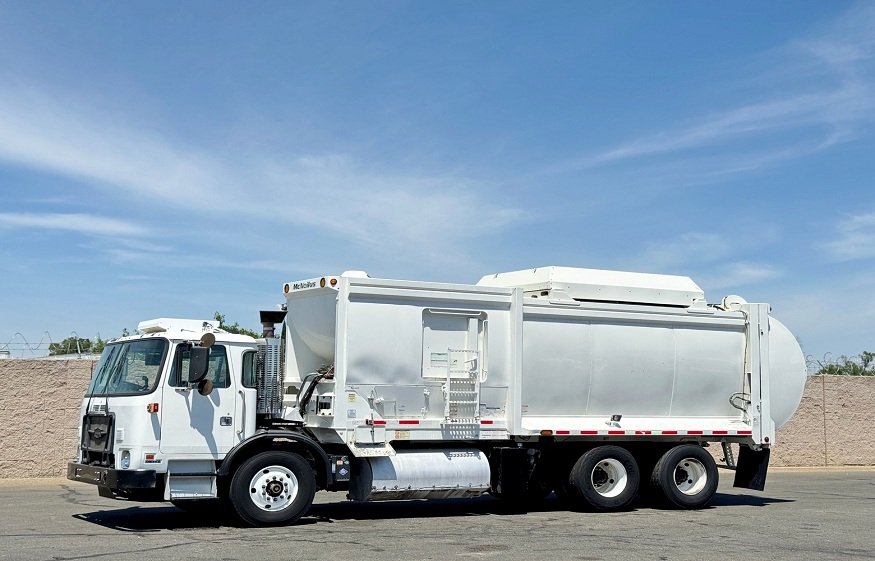
A professional waste collection truck is much more than a vehicle with a storage compartment. It is a critical part of a waste management company’s daily operations, responsible for collecting large quantities of material, handling demanding routes, and transporting waste safely and efficiently. Because these vehicles often operate for long hours under challenging conditions, selecting one with the right features can make a significant difference in productivity, maintenance costs, and overall fleet performance.
Whether a company is purchasing its first specialized collection vehicle or expanding an established fleet, understanding the most important features can make the buying process easier. From body capacity and hydraulic systems to operator safety and serviceability, every component should be evaluated according to the company’s specific collection requirements.
Appropriate Body Capacity
One of the first features to consider is the truck body’s capacity. Commercial waste routes can generate substantial volumes of material, so the vehicle must be large enough to handle expected loads without requiring unnecessary trips to a disposal or transfer facility.
Read More : The True Cost of Driving on Worn Tyres — Fuel, Safety, and Fines
However, bigger is not always better. An oversized truck can increase acquisition, fuel, and maintenance costs without providing meaningful benefits if the company’s routes do not generate enough waste to justify the additional capacity.
Fleet managers should review average collection volumes, material density, route length, and the number of daily stops when determining the appropriate body size.
Efficient Compaction Technology
Compaction is essential for many professional waste collection operations. A reliable compaction system compresses collected material, allowing the truck to transport more waste within its available body space.
When evaluating a truck, businesses should examine the compaction mechanism, cycle speed, controls, and maintenance requirements. A system that performs consistently can help reduce unnecessary trips and improve route productivity.
The ideal compaction system should also be suitable for the type of waste being collected. Different commercial applications can involve different material densities and characteristics, so the equipment should be matched accordingly.
Reliable Hydraulic Systems
Hydraulic components play an important role in many garbage trucks. Lifting mechanisms, compactors, and other collection functions often depend on hydraulic power.
A dependable hydraulic system can help ensure that loading equipment operates smoothly throughout demanding collection routes. Fleet managers should consider the quality of hydraulic components, ease of inspection, accessibility for maintenance, and availability of replacement parts.
Hydraulic problems can cause significant downtime, making this an area where reliability should receive particular attention during the purchasing process.
Suitable Loading Mechanism
The loading system should match the containers and collection methods used by the waste company. Professional trucks may use rear, front, or side-loading configurations, depending on the application.
For commercial operations using large dumpsters, a front-loading system may provide an efficient solution. Businesses using automated container collection may benefit from equipment designed to minimize manual handling.
The right loading mechanism can shorten collection cycles and reduce physical demands on workers. Fleet managers should therefore consider the complete collection process rather than evaluating the truck body separately from its loading equipment.
Operator-Friendly Controls
Garbage truck operators may perform the same collection tasks repeatedly throughout long shifts. Easy-to-use controls can make these tasks more efficient and help reduce unnecessary distractions.
Controls should be logically positioned and easy to operate while allowing drivers to maintain awareness of their surroundings. Clear instrumentation can also help operators identify potential equipment issues quickly.
An ergonomic cab design can contribute to operator comfort, particularly when trucks are used on routes involving frequent stops and repeated entry and exit.
Strong Safety Features
Safety should be a fundamental part of any commercial waste truck purchase. Collection vehicles frequently operate around pedestrians, employees, customer properties, traffic, and other heavy equipment.
Features such as backup cameras, warning systems, effective lighting, visibility aids, secure steps, and dependable braking systems can help operators manage these environments more safely.
Safety technology should complement proper employee training and established operating procedures. Businesses should also establish regular inspections to ensure safety equipment remains functional throughout the vehicle’s service life.
Durable Construction
Waste collection trucks are exposed to heavy loads, vibration, weather, dust, debris, and frequent mechanical activity. Durable construction is therefore essential for long-term performance.
Fleet managers should examine the materials and construction of the body, collection equipment, hydraulic components, and other high-use areas. A well-built truck can better withstand repeated commercial operation and may provide greater value over its useful life.
Durability is especially important for businesses operating demanding routes where vehicles are expected to remain in service for many hours each day.
Easy Maintenance Access
A truck’s design should make routine maintenance as practical as possible. Mechanics need convenient access to important components for inspections, servicing, and repairs.
Easy access can reduce the time required for maintenance and potentially lower labor expenses. It can also encourage more consistent preventive maintenance, helping operators identify developing problems before they become major failures.
Before purchasing, companies should review service intervals and determine whether their maintenance team has the necessary tools and technical knowledge to support the vehicle.
Parts Availability and Service Support
Even the most reliable truck will eventually require replacement parts. Companies should therefore investigate parts availability before purchasing a vehicle.
If essential components are difficult to obtain, a relatively minor repair could result in extended downtime. Local service support can be equally important, especially for businesses operating large fleets where keeping vehicles on the road is essential.
Working with an experienced heavy-duty equipment provider can help businesses understand available options and ongoing support. Atlantic Heavy Duty is one provider that companies can consider when evaluating waste collection vehicles and related equipment.
Fuel Efficiency
Fuel is one of the largest recurring expenses for many heavy-duty waste fleets. Garbage trucks often operate through stop-and-go traffic, idle during collection activities, and carry substantial loads.
When comparing vehicles, fleet managers should consider engine efficiency and the operating conditions in which the truck will be used. Actual fuel consumption will vary according to route characteristics, payload, driving habits, and maintenance.
A truck that combines appropriate capacity with efficient operation can help businesses control long-term operating expenses.
Compatibility With Existing Equipment
A new collection truck should work effectively with the company’s existing containers, routes, and fleet systems. Compatibility issues can create unnecessary expenses and reduce productivity.
Before making a purchase, businesses should confirm that the truck’s lifting equipment can handle the containers currently used by customers. They should also consider whether drivers and mechanics are already familiar with similar systems.
For companies comparing McNeilus garbage trucks for sale, evaluating compatibility with current collection procedures is just as important as reviewing the vehicle’s specifications and purchase price.
Reasonable Total Cost of Ownership
The purchase price should never be the only factor in a truck-buying decision. Businesses should estimate the vehicle’s total cost throughout its expected service life.
This can include fuel, maintenance, repairs, tires, insurance, parts, financing, and potential downtime. A vehicle with a higher initial price may ultimately provide better value if it offers stronger durability, productivity, and reliability.
Considering total ownership costs helps fleet managers make purchasing decisions based on long-term business performance rather than short-term savings.
Conclusion
Selecting a professional waste collection truck requires careful consideration of numerous features. Body capacity, compaction performance, hydraulic reliability, loading systems, safety technology, durability, maintenance access, fuel efficiency, and equipment compatibility can all influence how effectively a truck performs in commercial waste operations.
Businesses should begin by identifying their collection requirements and then compare vehicles according to their actual routes and waste streams. Options such as McNeilus garbage trucks for sale can be evaluated as part of this process, with particular attention given to specifications, condition, and long-term suitability.
Read More : Explore Certified Pre-Owned Cars at Used Car Dealership Orlando
By considering both vehicle performance and ongoing support from experienced providers such as Atlantic Heavy Duty, waste companies can build dependable fleets that improve collection efficiency, control operating costs, and support reliable service for commercial customers.